
1/3
አዲስ አበባ, ልደታ, 1 ቀን በፊት
4 እይታዎች
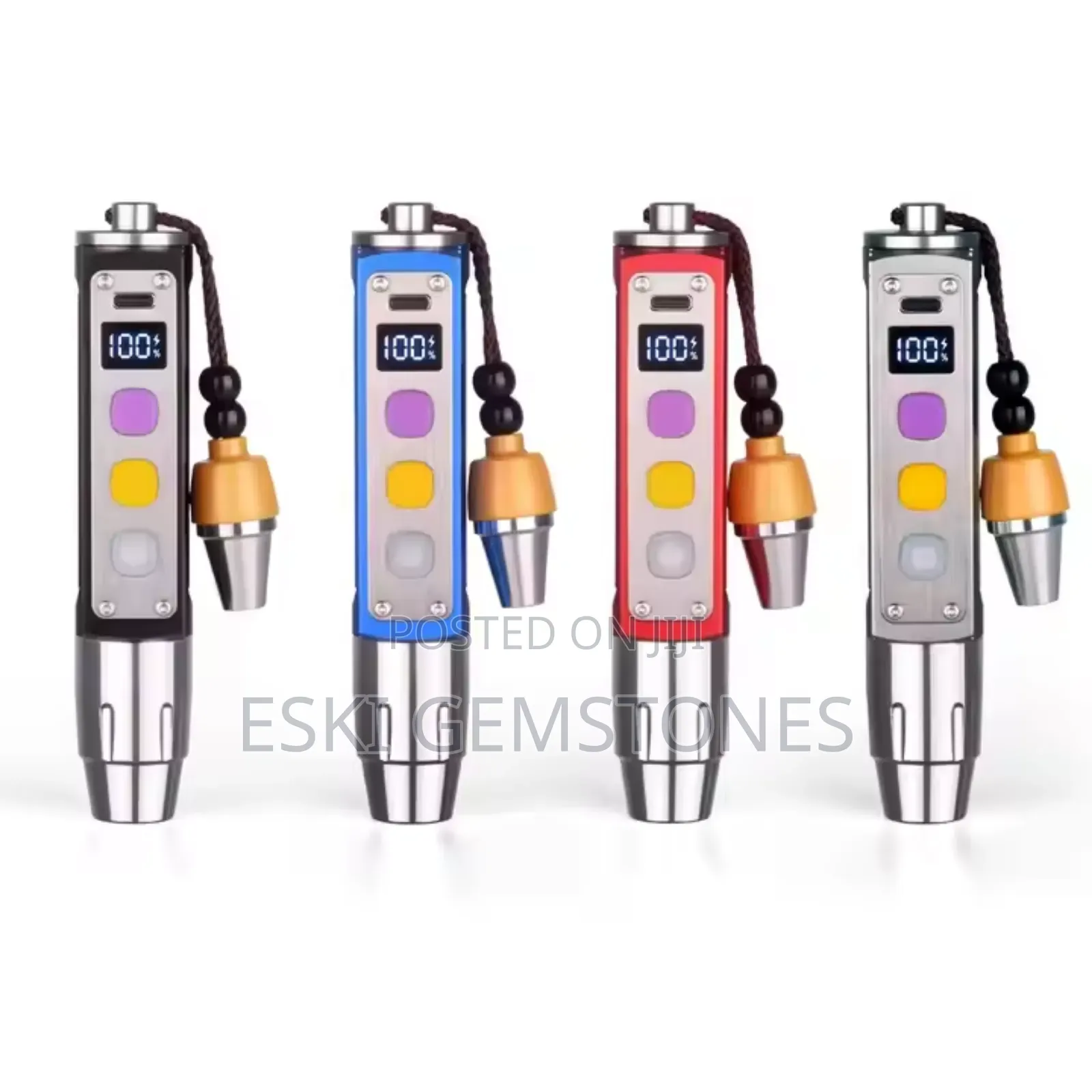
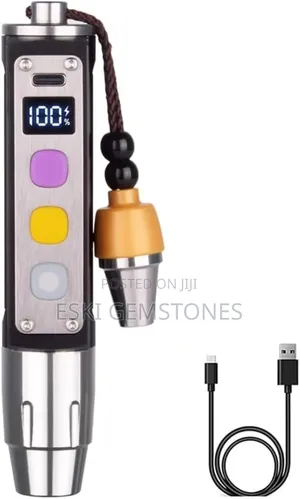
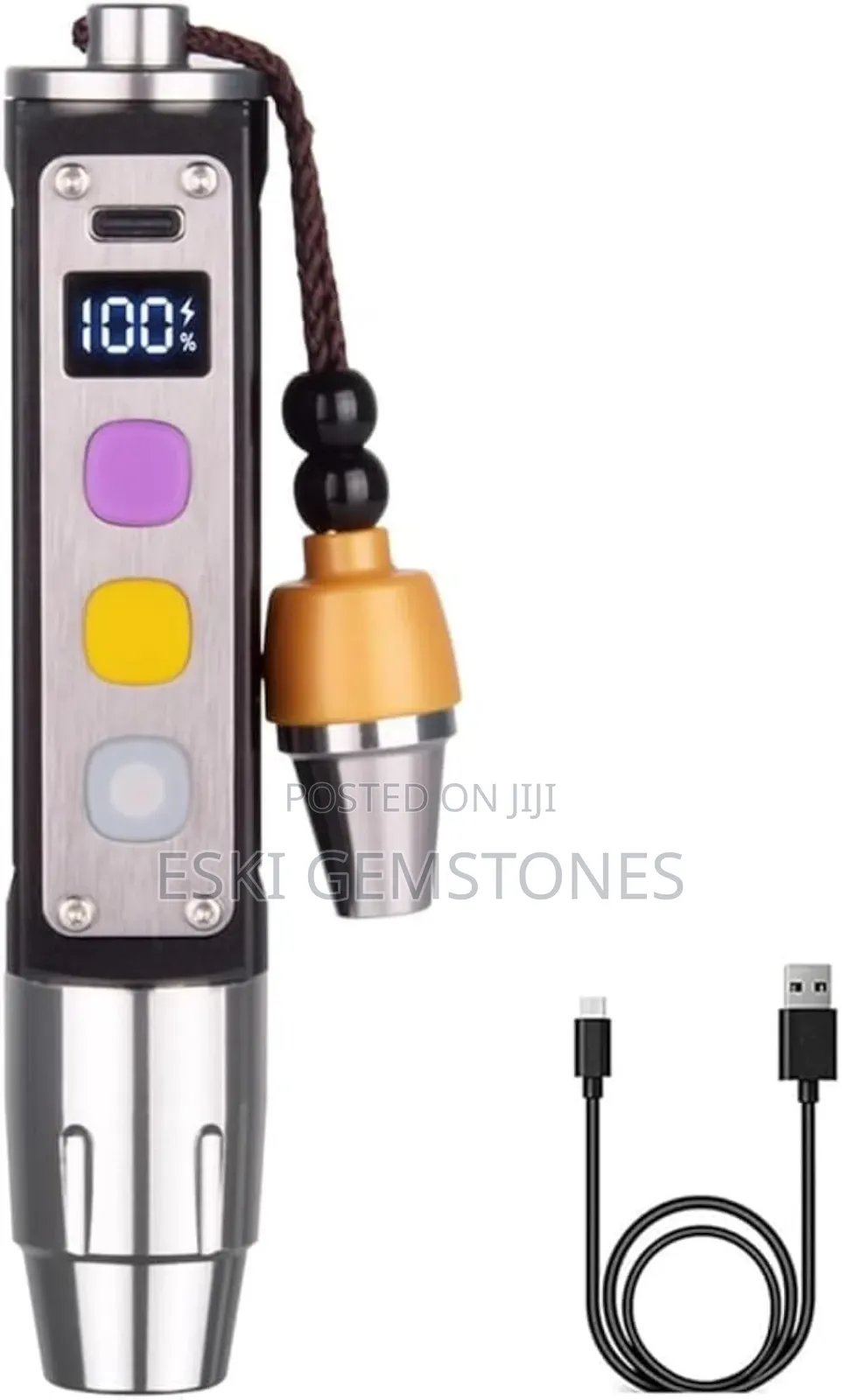
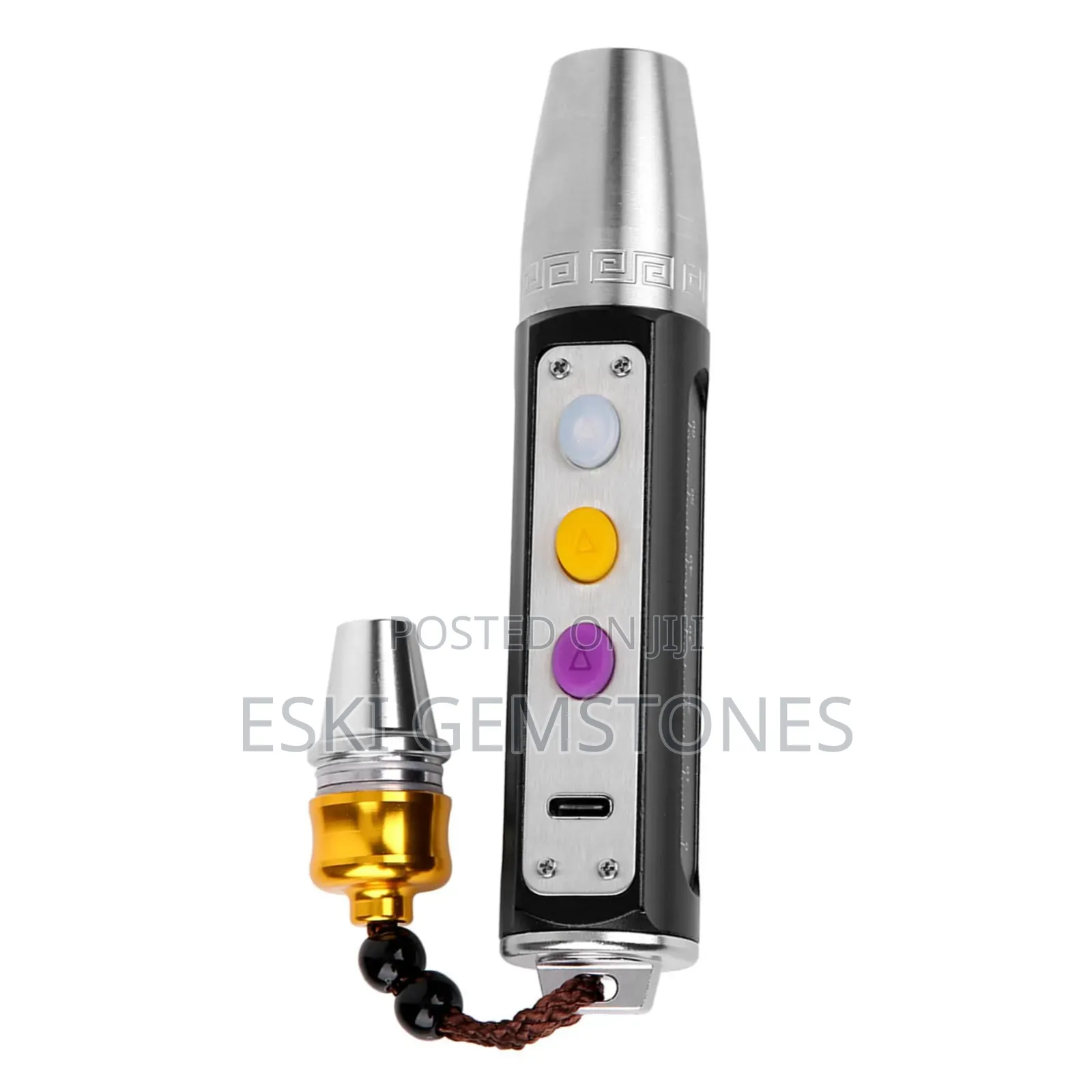
Uv Light Torch
አዲስ
ሁኔታ
YZYOE
ብራንድ
ብርሃን
አይነት
Ultraviolet (UV) light supports gemstone evaluation by revealing hidden fluorescence, treatments, and synthetic origins through atomic excitation. Key operational ranges include long-wave UV (315–400 nm) and short-wave UV (200–280 nm).
Common Gemstone Reactions Under UV Light
Rubies: Glow vibrant red under long-wave and short-wave UV due to chromium content.
Diamonds: Frequently exhibit blue fluorescence under long-wave UV, while phosphorescence helps separate natural stones from HPHT lab-grown alternatives.
Emeralds: Clear resin or oil fillers used for fracture-filling often fluoresce yellow, green, or blue, exposing clarity enhancements.
Sapphires: Heat-treated blue sapphires can display a chalky blue-to-green short-wave UV response.
ETB 20,000
ይለዋወጣልየደህንነት ምክሮች
- እንኳንም ለመላኪያ በቅድሚያ መክፈልን ይቀልዱ
- ከሻጭ ጋር በደህንነቱ የተጠበቀ የህዝብ ቦታ ውስጥ ይገናኙ
- እቃውን ይመልከቱ እና በትክክል የሚፈልጉት መሆኑን ያረጋግጡ
- ተሸክመው የተላኩት እቃ የተመረምረው መሆኑን ያረጋግጡ
- እርካታ ካልሰማምን ብቻ ይክፈሉ


