
TOP
1/2
Addis Ababa, Addis Ketema, 7 hours ago
1 views
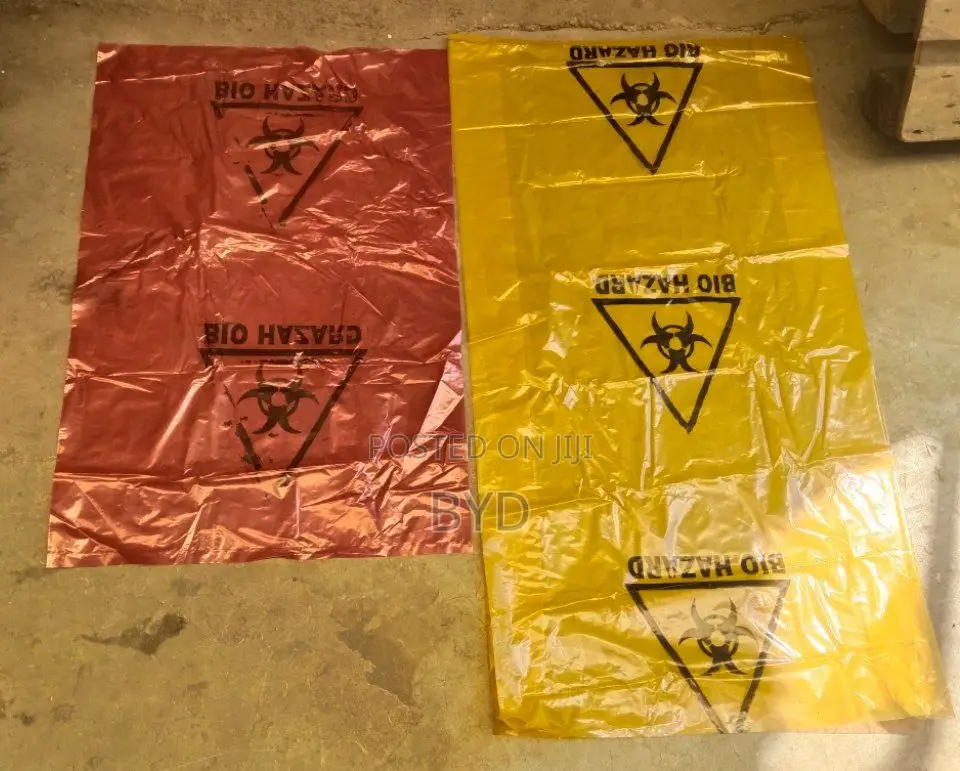
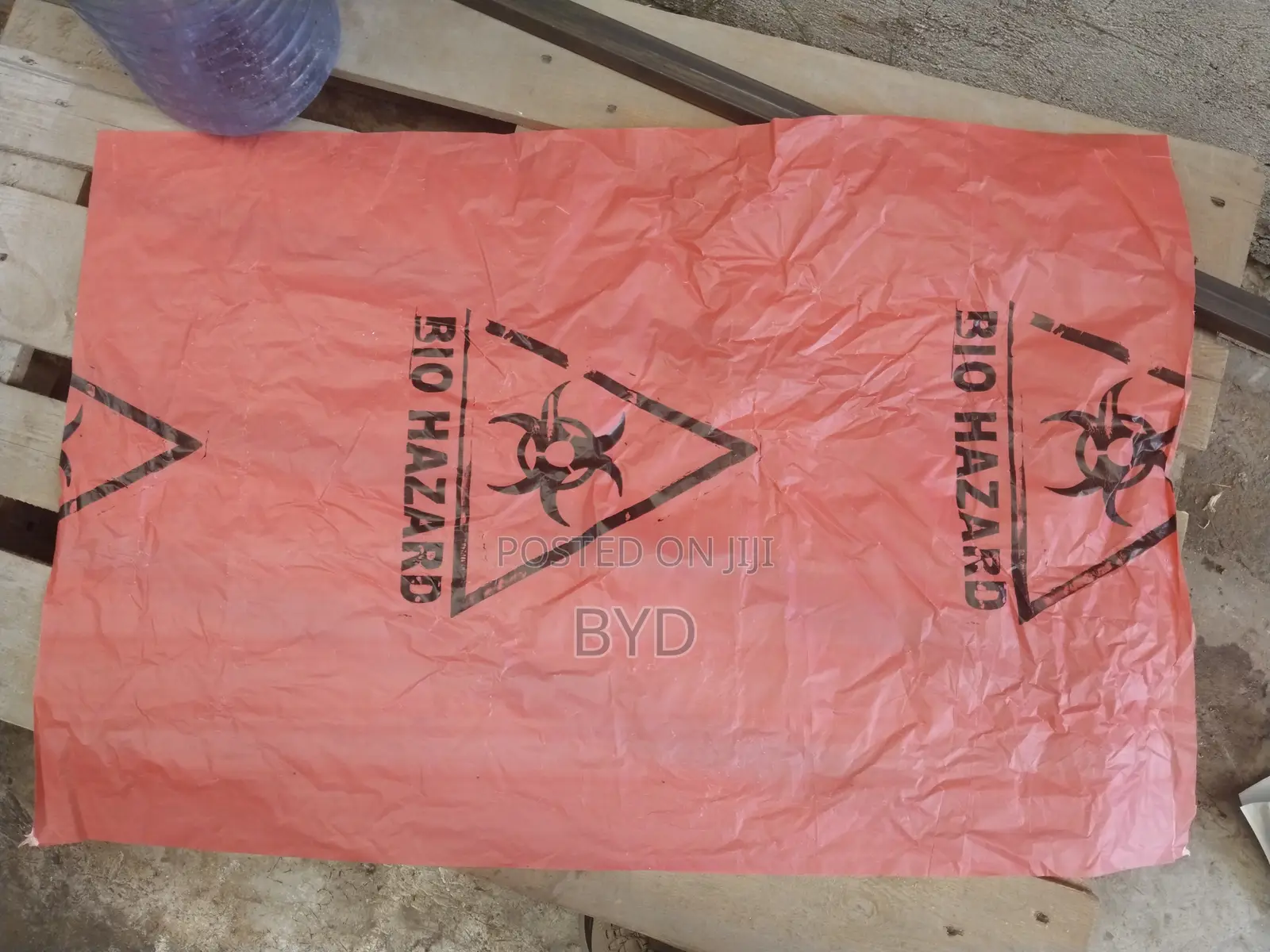
Biohazard for Medical Safety and Sanitary
Safes & Cash Boxes
Type
Brand New
Condition
American Safety
Brand
Portable Safe
Safe Type
Other
Locking Mechanism
Other
Walls Material
Other
Safe Mounting
Biohazards (biological hazards) are biological substances that pose a threat to the health of living organisms, primarily humans.
Biohazard Classification Levels
Biohazards are classified into four Biosafety Levels (BSL) based on their risk to laboratory personnel and the community:
• BSL-1 (Low Risk): Well-characterized agents that do not consistently cause disease in healthy humans. Examples include E. coli (non-pathogenic strains) and varicella (chickenpox).
• BSL-2 (Moderate Risk): Agents that pose moderate hazards to personnel and the environment. They cause mild human disease and are difficult to contract via aerosol in a lab setting. Examples include Hepatitis B, HIV, and Salmonella.
• BSL-3 (High Individual Risk): Indigenous or exotic agents that may cause serious or potentially lethal disease
ETB 190
Negotiable
Safety tips
- Avoid paying in advance, even for delivery
- Meet with the seller at a safe public place
- Inspect the item and ensure it's exactly what you want
- Make sure that the packed item is the one you've inspected
- Only pay if you're satisfied


